Tag Archive for: Bumble tips

5 Leaders in Love Reveal The Secret to Lasting Relationships

Valentine’s Day is supposed to be the Super Bowl of Love. 

Big gestures, big expectations, big pressure. But somewhere along the way, we got sold a fairytale version of relationships where the right person makes everything effortless, passion never fades, and if it’s meant to be, you’ll just know.

Real relationships, the kind that survive and thrive, aren’t built on magic. 

They’re built on pillars: shared goals, shared values, clear communication, trust, and mutual respect. These aren’t the sexy parts of love we see on Instagram, but they’re the reason relationships last.

For this Valentine’s Day episode, we looked at relationships that have stood the test of time and asked five leaders in love two simple and powerful questions:

  • What is the biggest relationship myth you once believed that you’ve changed your mind about?
  • What is the pillar that actually keeps your relationship still standing today?

Some of their answers might surprise you. Some might challenge what you’ve been taught. And some might give you permission to release a version of love that was never actually serving you in the first place.

Because this Valentine’s Day, you don’t need to chase a fairytale. You need to rewrite the myths and live your own love story.
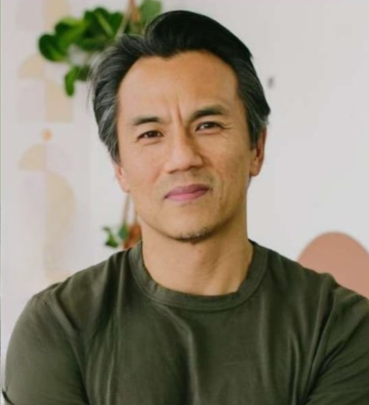
john kim the angry therapist talks love with damona hoffman dates & Mates podcast(04:00) John Kim: Love Isn’t Easy Just Because You Did The Work

John Kim, aka The Angry Therapist, has been with his partner for 8 years. He’s a therapist, podcast host, and bestselling author of books like Single on Purpose and I Used to Be a Miserable F*ck.

He shared:

“The greatest myth about love that I have proven to be untrue is that if you work through wounds and attachment styles and learn to fight without fighting and go to therapy and all that, then love will be easy.”

Here’s what nobody tells you: working on yourself isn’t a one-time thing. It’s not a constant. It’s an everyday thing.

John and his partner are in their 40s and 50s. Things like perimenopause and ADHD and raising children showed up in ways they never anticipated because they’d never been this age before.

Love is a constant growing, evolving greenhouse, and even when it’s healthy, there are hard days. The work of choosing each other and growing from that container is a lifelong process.

His Pillar: The Importance of Repair

“If you can’t both learn how to repair, the plane will eventually go down. Repair is at the top.”

When you show up ready to do the work with your partner and to learn with them, there are always moments for repair. And those moments of repair don’t just repair the relationship with your partner. Sometimes they repair something deeper in yourself.


(08:00) Carol Allen: Love Can Sneak Up on You Like Moss

carol allen vedic astrologer talks love with damona hoffman dates & mates podcastCarol Allen is a Vedic astrologer and relationship coach of 35 years. She’s been with her husband for 33 years, and she’s one of the leaders in examining how we build a successful love life.

She shared:

“What I now know to be true that I didn’t used to think was true is that you can fall in love slowly. Love can sneak up on you. I joke now that there’s two ways to fall in love: you can be struck by lightning, which of course can lead to scorched earth, or you can be struck by moss and then wake up one day and everything is green.”

That was how Carol and her husband fell in love.

They both felt a connection, and then gradually grew to realize this beautiful thing was happening that has lasted all these years.

This is a major theme in F the Fairytale: true connection develops over time.

It’s not instant chemistry. It’s slow love, building connection and rapport, seeing how somebody shows up for you, building it block by block, and then the attraction actually deepens.

Her Pillar: Always Be On Each Other’s Side

“The biggest pillar of long-term love is to always be on each other’s side. Always make the other person feel emotionally seen and validated and cared about. If you always feel like they are on your side, that even when there’s a conflict, you’re gonna get through it because it’s you and the other person working on the conflict as opposed to going at each other.”

Studies all over the world confirm this: both people need to be happy.

You can’t be happy with an unhappy person. So if you find someone you can love, who loves you, who’s happy and likes their life and likes the people in their life and likes themselves? 90% of your job is done for you.

(12:00) Orna & Matthew Walters: Shared Values Are The Glue
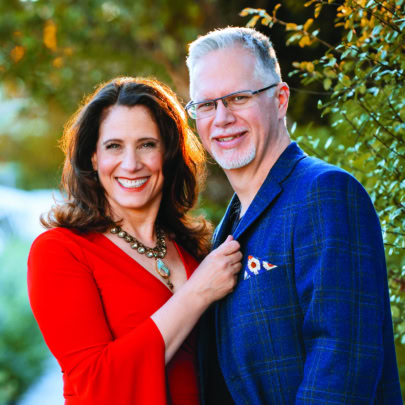
orna and matthew walters talk love wtih damona hoffman on the dates & Mates podcastOrna and Matthew Walters are the co-founders of LoveOnPurpose.com and authors of Getting It Right This Time. They’ve been together for 19 years, married 17, and they both found love later in life in their 40s.

Orna shared her myth:

“A myth I used to believe about love is that all the good ones were taken. I used to be really attached to that story.”

Matthew shared his:

“One of the biggest myths I believed about love was that if you hung around a friend long enough that eventually they might change their mind to become a romantic partner.”

All the good ones are taken.

Sound familiar? It’s a limiting belief that shows up in every decade.

When we get overly focused on the options that aren’t available to us, we miss what’s right in front of us. You have the power to rewrite your own love story, starting today.

Getting friend-zoned and waiting for the tide to turn?

While there are stories of friends who fell in love years later, a lot of times you find that you don’t have the attraction piece. And if you’re perpetually friend-zoned, that could be a sign you’re choosing unavailable people or reading signals incorrectly.

Their Pillar: Shared Values

“We can’t think of anything that separates from that. Shared values is it. It’s the most important thing. You’re going to have disagreements, you might have conflict or misunderstandings. And when you have shared values, it makes it very easy to get back on the same page again.”

When you look at the world in the same way and believe the same things about who we are as humans and how we live our lives, that’s worth so much more than shared interests or physical attraction. That’s the kind of thing that aligns a couple: you and your partner against the world.

(19:00) Lily Womble: You’re Never Too Much for the Right Person
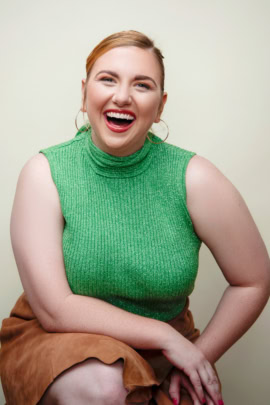
lily womble talks love with damona hoffman on the dates & mates podcast

Lily Womble is the author of Thank You More Please, founder of Date Brazen, and a feminist dating coach. She’s been with Chris for 8 years, married for almost 3.

She shared:

“My biggest dating myth that I used to believe is that I was too much to find the right partner. I was socialized to believe that as a woman, I needed to make my needs smaller, make my wants smaller, that I was being too picky, that I was being too judgmental if I set boundaries with the wrong people for me.”

This socialization led her to settle hardcore and judge herself for wanting what she wanted.

She ended up in terrible romantic relationships with people who could not meet her needs.

Now she knows: it’s really human and normal to want what you want and you are never too much for the right person. You can never say the wrong thing to the right person for you.

Her Pillar: Game to Play and Co-Create

“A pillar of long-term love that is crucial is someone who is game to play and game to co-create. This language comes from improv: you’re game to co-create, you’re game to listen and react and play together. That sense of playfulness and co-creation has served me so well.”

Co-creation means:

  • Planning the first date together
  • Defining the relationship together
  • Getting out of your own way sometimes
  • Being creative with your partner and being open to listen
  • Being open to receive the kind of love and support you desire

We start out as kids playing all the time, then we learn to adult and lose that sense of play. Bring it back. Even if you’re not partnered yet, bring back that sense of play in your life today and you will find others who want to play with you.

seth hoffman showrunner the walking dead dead city talks love with wife damona hoffman on the dates & mates podcast(25:00) Seth Hoffman: Real Love Soothes the Heart and Soul

Seth Hoffman is a TV writer/producer and Damona’s husband of 18.5 years.

He shared:

“The one myth about love that I used to believe is that when people were in love, their feelings were just at a 10 all the time. It was just all these big feelings all the time and it was hard to even think straight because you are in love. That kind of love feels like your heart going really fast. The kind of love that I experience and the kind of love that I really cherish is a kind of love that slows my heartbeat down and makes me feel calm and safe.”

We’re so addicted to rom-coms and fairytales. They tell us it should be dramatic, high and low, intensity all the time.

But when you’re looking for the trust and the answer out of the gate, you’re going to come up with tons of questions.

When you’re committed to slow love and building it over time, then the trust will unfold naturally. Then it becomes obvious: this is the person you want to build your life with and pour into and have invested in you.

His Pillar: Trust Above Communication

“The one pillar that I think is most important is trust. My stock answer used to be communication, and I think communication is really important. But for me, above and beyond communication is trust. If you fully trust the person you’re with and you know that the person you’re with fully trusts you, then you know that if they’ve done something that pisses you off, that the intent isn’t to piss you off.”

Before you even start communicating to understand what happened, you go into that conversation knowing the thing that upset you wasn’t intentional. It’s just a conversation about what happened as opposed to believing there might be ulterior motives.

Trust is the final pillar in F the Fairytale, and it’s the pillar that takes the longest time to build. 

dating and relationship expert damona hoffman's book F the Fairy TaleStop Chasing the Fairytale

If there’s one thing to take away from these conversations, it’s this: long-term love doesn’t fail because people don’t want it badly enough. It struggles because we’ve been handed myths that were never designed to support real human relationships.

We were taught that love should be effortless, that the right person will heal your wounds, that conflict is a sign you chose wrong, and if it’s meant to last, you won’t have to work so hard at it.

But every one of these relationships survived not because the fairytale came true, but because someone was willing to question it. To replace a myth with a pillar. To stop waiting for love to save them and start building love that could actually hold them.

That’s the heart of F the Fairytale. It’s not about becoming cynical. It’s about becoming empowered. It’s about rewriting the stories that keep us stuck in dating and relationships and creating a love story that actually fits your life.

💌 If today’s episode resonated, pick up F the Fairytale and start questioning the myths you inherited. Start building the kind of love that can actually last.

Find it on Amazon, Barnes and Noble, or from your local bookseller. Links at fthefairytalebook.com

💌 Got a question about revenge reporting, trusting your gut when you can’t explain why, handling retaliation for setting boundaries, or navigating dating apps safely?

Whether it’s about ghosting that feels safer than communicating, dealing with people who won’t take no for an answer, getting banned unfairly, or any other challenge in the relationships that matter to you, we’re here for all of it.

Send your question in a DM or voice memo on Instagram, TikTok, or Facebook, or send a voicemail or text to 424-246-6255. It might just be featured in an upcoming Dear Damona segment.

And remember: Dates & Mates covers all the relationships that matter in your life: romantic partnerships, friendships, family dynamics, work relationships, and most importantly, the relationship you have with yourself.

📝 Ready to track what’s working (and what’s not) in your dating life? Download the free Date Tracker at damonahoffman.com/datetracker. It helps you see patterns and move forward with clarity


 

Revenge Reporting on Dating Apps: What to Do When You Get Banned

What is “Revenge Reporting”?

Revenge reporting is when someone reports your dating profile to get you banned because they can’t handle being told no.

And it’s happening to frustrated dating app users every day!

So what happens when you trust your intuition, communicate with respect, and still wind up with consequences you never expected?

That feeling when something’s off but you can’t name it yet. When every logical reason says “give this person a chance” but something deeper whispers “walk away now.”

Dating advice tells us to communicate clearly. To be kind when ending things. To treat people with the respect we’d want for ourselves. And most of the time, that works exactly as it should.

But sometimes you run into someone who can’t handle hearing no. Someone who sees your boundary as a personal attack. Someone who decides that if they can’t have your attention, they’ll make sure you pay for withdrawing it.

The truth is messier than “just be honest and everything will work out.” Sometimes honesty protects you from worse outcomes down the line. Sometimes it makes you a target for someone who never learned to handle rejection.

A listener named Lisa sent in a voicemail about exactly this situation.

She shared:

“I was messaging with a guy and I just got a little kind of spiritual whispering that I just didn’t think this was gonna be good. So I wrote him a respectful message. He wrote back and was very respectful. And within an hour I get an email from match.com that my account had been canceled due to some misbehavior. I know in my gut that guy was vindictive and turned me in.”

This isn’t just about getting kicked off an app: how do you trust yourself when doing the right thing still leaves you punished?

(04:00) That Whisper Just Saved Your Life

Lisa heard something most people ignore. A gut feeling that said “this isn’t right” before her logical brain could explain why. And she listened.

That’s the skill everyone needs to develop. The ability to trust your inner compass even when you can’t defend it with data. 

Your intuition isn’t psychic, it’s pattern recognition your conscious mind hasn’t processed yet. It’s your nervous system picking up on signals that something doesn’t add up.

Think about what that whisper saved Lisa from. If this person responded to a polite text rejection by trying to get her banned from the entire platform, how would he have responded to rejection in person? After she’d invested weeks? After she’d gotten emotionally attached? The intuition got her out before she had to find out.

Every time you listen to that voice and it turns out to be right, you’re building trust with yourself.

Next time that whisper shows up, whether it’s about a date, a job offer, or crossing the street, you’ll have evidence that listening pays off.

(06:00) Overexplaining Gives Them Ammunition

Lisa sent a respectful message. She didn’t ghost. She communicated clearly that this wasn’t going to work. And she got punished for it.

Here’s the problem: it sounds like her message included specifics. Reasons why she didn’t see this going anywhere. Because the guy responded by agreeing she was “probably right on the points” she’d made.

Those points gave him something to feel criticized about. Something to take personally. Something to get defensive over, even if he seemed to accept it in the moment.

When you’re ending things before you’ve even met, say this and nothing else:

“I don’t think we’re a match. Wishing you the best.”

No list of incompatibilities. No explanation of what you’re looking for that he doesn’t have. No detailed feedback on his profile or texting style. Not because you owe him less honesty. Because the more you explain, the more you give someone to argue with or internalize as rejection of who they are as a person.

Then unmatch immediately. Block if you need to. You’re not being rude, you’re protecting yourself from exactly what happened to Lisa.

(10:00) Revenge Reporting Targets Women

Revenge reporting is a documented pattern that’s been happening for years. Men report women who reject them. The dating app’s automated system bans the woman. No investigation. No mediation. Just gone.

Match will ban you if you:

  • Are under 18
  • Are a registered sex offender
  • Have been convicted of certain violent crimes
  • Have been convicted of sex trafficking

They’ll also ban you if someone reports you for literally anything. There’s no way to prove what actually happened because most interactions either occurred offline or moved to text where the app has no record.

The groups hit hardest? Women and trans people. The exact demographics dating apps should beworking to protect.

You set a boundary. Someone can’t handle it. The system sides with them by default because it’s easier to block you than investigate. 

When Lisa says she knows in her gut this guy reported her out of spite, the timeline confirms it. Respectful exchange. Account banned within an hour. That’s not coincidence.

(14:00) Your Game Plan If This Happens

  1. Read the terms of service thoroughly. Make absolutely sure you didn’t actually violate anything.
  2. Document what you can. Screenshots of conversations if you have them. Timeline of events. Anything showing you communicated respectfully.
  3. Submit an appeal. It might take weeks. They might ignore it. But it’s your formal record disputing the ban.
  4. Understand what they’re tracking. Not just your email. Your phone number. Your IP address. Even your photos through facial recognition. Creating a new account successfully is nearly impossible.
  5. Explore other apps. Match Group owns Match, Hinge, OkCupid, and Plenty of Fish. But Bumble is independent. Coffee Meets Bagel is independent. Niche apps exist outside that ecosystem.

Or take this as a sign to invest more energy meeting people offline. Sometimes getting kicked off an app is the universe redirecting you toward something better.

(18:00) How They React Tells You Everything

You can’t control how someone reacts to your boundaries. You can only control whether you set them.

Lisa lost access to Match. She gained confirmation that her intuition was spot-on. That this person couldn’t handle the smallest form of rejection without retaliating. That getting out early was the right call.

The way someone responds to hearing no tells you everything about whether you made the right decision.

If a polite “this isn’t a match” triggers someone to try punishing you through a reporting system, imagine how they’d handle disagreement in an actual relationship. Conflict about plans. Boundaries around communication. A breakup.

You already knew this wasn’t your person. Now you have proof you were right to trust yourself.

💌 Got a question about revenge reporting, trusting your gut when you can’t explain why, handling retaliation for setting boundaries, or navigating dating apps safely?

Whether it’s about ghosting that feels safer than communicating, dealing with people who won’t take no for an answer, getting banned unfairly, or any other challenge in the relationships that matter to you, we’re here for all of it.

Send your question in a DM or voice memo on Instagram, TikTok, or Facebook, or send a voicemail or text to 424-246-6255. It might just be featured in an upcoming Dear Damona segment.

And remember: Dates & Mates covers all the relationships that matter in your life: the people you’re dating, your closest friends, your family, your coworkers, and most importantly, yourself

📝 Want to keep track of what’s working (and what’s not) in your love life? Download the free Date Tracker at damonahoffman.com/datetracker


Adult Dating for Beginners: How to Start Fresh and Build Real Connection

If you are wondering if everyone else around you just magically knows how to date, you’re not alone.

It can feel like there’s some secret handbook you missed while everyone else got theirs in high school?

We’ve been told our whole lives that dating should just come naturally. That attraction, communication, and building trust are things we’re born knowing how to do. That by your late twenties, you should have all this figured out already.

But here’s the actual truth: dating is a skill. It’s a set of learned abilities. How to communicate, how to attract, how to build trust and connection. And like any skill, whether it’s learning to drive or learning to speak a new language, you get better with practice.

It’s about recognizing that being new to dating doesn’t make you naive. It makes you a beginner. And every expert was a beginner once.

This week, a listener who asked to be identified as Butterfly wrote in with a situation that so many late bloomers are navigating.

She shared:

“I am now in my late twenties and struggling to find a mate. I had strict parents and wasn’t allowed to date in high school. In my early twenties, I never tried with relationships, and now that I’m getting older, I’m in a place where I’d like a relationship, but I can never find the first person. I feel like the men I’ve tried to date have taken advantage of my naivety and wasted my time with no real intentions. I don’t know how to build a genuine bond with someone and don’t know what to look for and what to avoid. Can you help?”

This is a question that goes deeper than just getting dating advice: it’s about stepping into a space where you feel behind, learning to trust yourself when you’re building new skills, and protecting yourself without closing off to opportunity.

(04:00) You’re Not Naive, You’re a Beginner (And That’s Actually Better)

Here’s the reality: a lot of people who dated in high school or college went through the exact same trial and error you’re experiencing now. They just went through it earlier.

They made the same mistakes. They asked the same questions. They felt just as confused.

Being new to dating doesn’t make you naive. It makes you a beginner. And there’s a crucial difference:

  • Naive means you don’t know what you don’t know
  • Beginner means you’re actively learning, building competence, getting your reps in

The story you tell yourself matters. If you tell yourself, “I’m behind, I’m naive, people are taking advantage of me,” that fear will lead every interaction.

But if you reframe it as, “I’m building a skill I didn’t get to practice earlier,” you give yourself permission to learn without shame.

(08:00) They’re Not Manipulating You, They’re Self-Focused

When Butterfly says she feels like men have taken advantage of her naivety, there’s something real underneath that fear. But it might not be quite what she thinks.

Most daters aren’t sitting around plotting how to manipulate beginners. They’re too consumed with themselves and what they want to worry about trying to manipulate anyone.

The reality is more transactional than malicious. People are laser-focused on their own experience, their own needs, what they’re trying to get met.

That’s not manipulation. That’s self-motivation. That doesn’t make it a good thing but it reduces the emotional charge.

What feels like manipulation is often just inexperience preventing you from reading signals and intentions early on. When you don’t know what to look for yet, you miss the cues that someone more experienced would catch quickly.

The good news?

You can learn to see those signals. And the more practice you get, the clearer they become.

(11:00) Green Flags: Consistency Between Words and Actions

So what should you actually look for? What separates someone worth your time from someone who’s going to waste it?

Your north star: consistency between someone’s words and actions.

A lot of times when people say they’re being manipulated or someone’s wasting their time, when you play back the tape, there were signs early on.

Cues in their profile. Things they said in the first few conversations.

Pay attention to:

  • What someone says in their profile about what they’re looking for
  • How they talk about prior relationships (negative? dismissive? still processing?)
  • How they relate to other people in their life (work, family, friends)
  • Whether their actions match what they say they want

The biggest predictor of what someone will do in the future is what they’ve already done. People don’t change a whole lot.

Sometimes we ignore these signals because we want the narrative to fit. We’re so focused on finding a relationship that we filter out anything that doesn’t align with what we want to be true.

We blow through the stop signs. We ignore the red flags. We filter out what doesn’t work for us because we’re trying so hard to make it work.

You can start to notice patterns and outcomes by using a Date Tracker, which is a vital (and free) resource for all daters.. Just starting to record what’s actually happening on dates and how you’re feeling will start to chart a path in the direction you want to go.

(16:00) Name and Narrate: A New Dating Strategy for 2026

Here’s a brand new dating strategy: name and narrate.

Start naming the thing you’re feeling out loud. Call out your fear. See how they react to it.

Here’s what this looks like in practice:

You’re on a date and someone puts their hand on the small of your back, but you’re not comfortable with that yet. Instead of squirming and hoping they get the hint, just say it: “We’re not at that point yet.”

At a singles event feeling awkward? Walk up to someone and say, “Aren’t these events always awkward? I never know what to say to break the ice.”

By naming the thing you’re feeling, you:

  • Affirm your own power and agency
  • Create an opening for connection
  • Give the other person permission to be honest too

There’s a chance the other person is feeling the exact same way, and now you’ve given them permission to be real with you.

Stop setting aside your discomfort for someone else’s comfort.

Name the thing. See what how they respond.

(19:00) Building Connection Starts Where You Already Are

Butterfly says she doesn’t know how to build a genuine bond. And here’s what’s important to remember: building a genuine bond isn’t something that happens overnight.

It’s built slowly through shared experiences, through honest conversations, through showing up as your real self, not who you think somebody wants you to be.

So don’t put the cart before the horse. Don’t come in craving a bond so intensely that you push through things too fast and blow through red flags.

Start where you are already comfortable:

  1. Ask yourself: what do I actually enjoy doing?
  2. Invite someone into those spaces with you
  3. Build from there

Connection happens when:

  • Both people are willing to open up
  • Both people are willing to be a little vulnerable
  • Both people are willing to share thoughts and feelings that matter

If someone isn’t meeting you halfway in building that connection, that’s valuable information.

But if you come in hot, fixated on the finish line, you’ll miss the initial steps that actually build trust: feeling seen, feeling heard, noticing whether their words match their actions.

Every Date is a Learning Opportunity

You’re not looking for perfection. You’re looking for someone who shows up with genuine intentions and treats you with respect.

Go into this experience of dating thinking of it as practice.

You need to get into as many conversations as you can to get your reps in. Every date, every conversation, every experience is teaching you something about what feels right and what doesn’t.

If you think of it as, “Hey, we’re just practicing here,” it takes the pressure off. We’re not going all the way to soulmate, we’re not going all the way to bonded. We’re just like, “Are we having a good time? Are we traveling the same path in life? Do I feel good when I’m with you?”

That is enough for the first step.

💌 Got a question about starting over, building confidence, or figuring out what you actually want in dating?

Whether it’s about late blooming, learning to trust your gut, protecting yourself without closing off, or navigating dating as a complete beginner, we’re here for all of it.

Send your question in a DM or voice memo on Instagram, TikTok, or Facebook, or send a voicemail or text to 424-246-6255. It might just be featured in an upcoming Dear Damona segment.

And remember: Dates & Mates covers all the relationships that matter in your life: the ones you’re building, the ones you’re healing, and most importantly, the relationship you have with yourself.

📝 Want to keep track of what’s working (and what’s not) in your love life? Download the free Date Tracker at damonahoffman.com/datetracker


How to Break Free from Dating Patterns: Texting Anxiety, Breakups & Attachment Styles

It’s January, which means a lot of folks are thinking about fresh starts, new goals, and healing past heartbreaks If you’ve recently ended a relationship or  the Valentine’s Day countdown is spiking your dating anxiety, you’re not alone.

Something’s happening in dating lately. Something under the surface that’s getting in the way of communication, connection, and every important relationship in our lives. 

And this is two things: the stories we tell ourselves and the patterns we keep repeating.

This week, Sabrina Zohar, entrepreneur and host of the Sabrina Zohar Show, joined the Dates & Mates podcast to unpack how to process endings without self-blame, understand dating anxiety, and break the patterns that keep showing up in your love life.

The start of a new year is the perfect time to reset. But that only works when you’re honest with yourself about what you’re ready for, who you want to be with, and who you really are.

(03:00) Meet the Creator Breaking Down Dating Patterns

Sabrina Zohar is an entrepreneur and host of the Sabrina Zohar Show, a podcast that ranks in the top 0.05% globally.

She’s built a following by calling out the patterns we can’t see in ourselves. The texting traps. The attachment style weaponizing. The ways we turn partners into projects instead of people.

Her own story? She lost her business dream when Shark Tank sent her home moments before her big break, her dog Clem passed away suddenly, and she ended a relationship all in the same month. Five days after the breakup, she met her current partner, Ryan.

But only because she’d finally learned to choose herself first.

sabrina zohar and damona hoffman talk texting, breakups, dating anxiety on the dates & mates podcast

(05:00) The Five-Minute Grief Practice That Actually Works

Sometimes the breakdown is the breakthrough.

When Sabrina hit rock bottom, she did something counterintuitive: she set a timer for five minutes and allowed herself to be sad. Not productive sad. Not journaling-through-it sad. Just sad.

That permission to grieve without fixing it released her from ruminating. She wasn’t stuck in “why didn’t it work?” She felt it, validated it, and moved forward.

What changed when she met her partner five days later:

  • She went on the date to enjoy herself, not to be chosen
  • She was honest about what she wanted upfront
  • She wasn’t afraid to lose him because she was more afraid to lose herself

Ryan called her back. His reason why reveals everything about dating from self-trust instead of scarcity.

(14:00) Your Phone Is a Dopamine Slot Machine

The reality: Dating anxiety is at an all-time high. Three hours without a text sends people spiraling.

Sabrina breaks down why this is happening. Technology turned dating into constant availability. We’re interpreting tonality through screens. Response time became a measure of interest.

But here’s the generational insight that explains everything:

Gen Xers and Millennials grew up with disappointment built into the game. You died in Mario, you lost. You waited your turn. Gen Z grew up with games that never end, instant downloads, no waiting for anything.

That shows up in dating as an inability to sit with uncertainty.

The episode unpacks how to tell if you’re in your adult brain or your child brain when the texting anxiety hits.

(18:00) When Urgency Means You’re Dating from Your Wounds

Damona shares her own pattern: as a casting director, she kept attracting unavailable or at times manipulative actors and musicians. Handsome, charismatic, exciting. Also shallow.

She had to reframe what attractive meant. Not the chaos. The consistency.

Sabrina’s framework for recognizing when you’re dating from wounds instead of wholeness:

  • Notice when urgency shows up: I need to know NOW
  • Ask yourself: How old do I feel right now?
  • Check: Is this my adult brain or the part of me that needed constant reassurance as a kid?

If it feels like a teenager talking about the cute boy in class? You’re in your child brain. The episode walks through how to parent yourself through it.

It takes 3,000 repetitions to rewire a thought pattern. Let today be number 2,999.

(23:00) Hurting vs. Harming: The People Pleaser Test

Someone asks: “I went on three dates but I don’t want to see them again. How do I say this without being a bitch?”

Sabrina’s reframe: Are you hurting them or harming them?

Hurting someone’s feelings is okay. You can hurt feelings by saying no. What’s harmful? Wasting their time. Keeping them in something you know isn’t going anywhere.

Especially when the biological clock is ticking.

The conversation shifts to what’s actually in your control when you want kids but you’re single in your 30s or 40s. Sabrina shares a story about a friend who got pregnant at 43 from a one-night stand after being told she’d never conceive.

Why she kept the baby reveals everything about making choices that honor your priorities over your fears.

(31:00) What Was My Part in This?

After a breakup, we want to blame everything on them. But you can’t help someone stuck in victim mode.

Sabrina’s question that breaks the pattern: What was my part in this?

Not to shame yourself. To take ownership. To extract the lesson.

The episode walks through the follow-up questions that help you see what you’ve been avoiding. Why acknowledging the truth is the scariest part. Why once you see it, you can’t unsee it.

And why that’s exactly when you finally get to choose yourself.

(36:00) Stop the Attachment Style Charity Work

It’s time we reckon with the anxious-avoidant narrative that turns your partner into a project.

Both attachment styles are insecure. You’re not superior because you’re anxious and self-aware. You’re both dealing with fear in different ways.

One of Sabrina’s followers asked a question about a guy being “inconsistent” after two dates. What she meant: he takes a few hours to respond to texts.

The reality: He works the graveyard shift. He’d already made plans for a third date. He communicates. He’s interested.

But she nearly walked away over response time.

When it’s actually a red flag:

  • They’re rude or disrespectful
  • They’re not reciprocal
  • They’re not intentional

When it’s just texting anxiety:

  • They didn’t respond for a few hours because they have a life

The patterns that kept you stuck don’t have to follow you into 2026.

Whether you’re healing from a breakup, stepping back into dating, or trying to break the texting anxiety loop, the gift you give yourself is clarity. Even when it’s uncomfortable. Especially when it’s uncomfortable.

💌 Got a breakup question? Dealing with dating anxiety? Trying to figure out if you’re hurting or harming someone by staying?

Whether it’s about processing a painful ending, recognizing your patterns, setting boundaries without guilt, or navigating modern dating without losing yourself, we’re here for all of it.

Send your question in a DM or voice memo on Instagram, TikTok, or Facebook, or send a voicemail or text to 424-246-6255. It might just be featured in an upcoming Dear Damona segment.

And remember: Dates & Mates covers all the relationships that matter in your life—romantic partners, exes you’re still processing, friends, family, and most importantly, you.

📝 Want to keep track of what’s working (and what’s not) in your love life? Download the free Date Tracker at damonahoffman.com/datetracker


Love Astrology of 2026: Major Planetary Transits of the Year for Relationships

The Cosmic Chapter Is Turning & What It Means for Your Love Life: Why 2026 Astrology Says Dating Is About to Shift

Before we can even talk about swiping, texting, or defining the relationship this year, there’s a bigger question we need to ask: What is the astrological roadmap for 2026?

Something’s happening in dating lately. Something under the surface that’s getting in the way of communication, connection, and every important relationship. The apps feel broken. Ghosting is everywhere. Commitment seems impossible.

But what if the issue isn’t your profile or your approach? What if it’s bigger than that?

Sometimes we need to zoom out. We need to widen the lens beyond just our little town, beyond the confines of our country, our continent. Look into the universe and see what clues and signs are there for us from the perspective of ancient wisdom, of the cosmos.

This week, we asked Danny Santos, shaman, healer, astrologer, and tarot reader, to look at the major cosmic themes shaping love, communication, and connection in the months ahead. 

Here’s what’s coming for love in 2026.

(03:00) Meet the Shaman Who Saw This Coming

Danny Santos is a world-renowned astrologer featured in the New York Post, Vice, Bustle, Well+Good, and Buzzfeed.

He’s more than an astrologer. Danny is a shaman, reiki master, tarot reader, medium, psychic, and life coach who traveled to Peru to receive the blessing of the Shabo tribe to work with plant medicine.

His prediction for 2026? The cosmic chapter is turning. Eight years of stagnant energy is about to lift. When it does, everything shifts.

danny santos of santos crystal visions joins damona hoffman to talk about 2026 predictions for love

(05:00) Why Dating Activity Dropped 7% (And What Astrology Predicted)

The numbers don’t lie: dating activity on apps dropped 7% in 2025. People got exhausted. The flakiness, ghosting, and mismatched intentions became too much.

Astrology saw this coming.

For eight years, Uranus (the planet of innovation and forward motion) moved through Taurus, a comfort-seeking sign that resists change. Taurus wants to stay home, avoid risk, stick with what’s familiar. Innovation in a resistant sign creates a slowdown. Dating activity stalls. People retreat.

2026 changes the game.

Uranus moves into Gemini, the sign of communication, dating, and community. Gemini craves social connection, new experiences, and conversation. The cosmic brake on dating releases.

What this means:

  • In-person connection will explode
  • Community events and group dating return
  • Technology finally innovates (think augmented reality, new connection methods beyond swiping)
  • People will want to go out again

If you’ve been waiting for a shift, it’s here.

(10:00) February 20th: A Once-in-36-Years Paradigm Shift

February 20th, 2026: Saturn and Neptune meet in the sky.

This happens once every 36 years. Last time? 1989. No internet. No dating apps. No texting. That era is over. This one begins.

Saturn represents commitment and structure. Neptune represents romance and spiritual connection. Their meeting creates a fundamental shift in how we approach relationships.

What changes:

  • Commitment becomes valued again. Not casual dating. Not situationships. Real partnership. The conversation shifts from “keep your options open” to “find someone worth choosing.”
  • Self-love stops being optional. This transit pushes people to do inner work before partnering. That foundation creates healthier relationships.
  • Romance transforms. Fairy tale gestures lose appeal. Emotional safety, consistency, and genuine presence become what matters.

Dating has felt shallow and transactional lately. This transit signals the turning point. February 20th marks the beginning.

(14:00) Summer 2026: The Season When Everyone Wants Commitment

June 30th, 2026: Jupiter enters Leo. Everything transforms.

Jupiter brings expansion and opportunity. Leo brings loyalty and partnership. Together, they create desire for commitment. Not casual dating. Not undefined situations. Actual partnership.

Summer 2026 brings massive dating activity, but this isn’t casual hookup season. People want loyalty. They’re ready to attach. They want to find their person.

Then August brings the eclipses.

Eclipses create rapid, profound change. The August eclipses highlight individuality versus partnership, freedom versus commitment.

The moment arrives when people get serious:

  • Casually dating singles suddenly want definition
  • Uncertain couples make decisions
  • Commitment stops feeling terrifying

The cosmic timing for finding love? Summer 2026.

(26:00) Year of the Horse: Why Your Manifestations Accelerate

2026 is the Year of the Horse in Chinese astrology. Horses represent forward motion, adventure, excitement, joy.

For your love life: whatever you focus on appears faster than usual.

This energy rewards risk-takers, not people playing safe. How to work with it:

Prioritize playfulness. Strong relationships this year build on fun, adventure, shared joy. Taking dating too seriously backfires. Lighten up. Try ridiculous dates. Playfulness attracts.

Take risks. Put yourself out there. Message first. Suggest the date. State what you want honestly.

Clarify your desires. Faster manifestations require clear intentions. Vague focus attracts vague results. Clear focus brings fast delivery.

Playing small in your dating life? The Year of the Horse gives permission to go bigger.

The universe is shifting. Use this energy or let it pass.

Summer brings partnership-focused energy. Commitment returns to favor. Manifestations accelerate. Astrology believer or not, these patterns are real. Waiting for the right time to get serious about love? This is it.

Want to book a session with Danny Santos? Visit santoscrystalvisions.com and use code DATES for 10% off your first session. Follow him on Instagram @SantosCrystalVisions for daily cosmic guidance.

Dating in 2026: Clear Coding, Hot Takes & A.I. Deep Fakes

If you’re tired of the maybes, the breadcrumbs, and unclear intentions, you’re not alone.

There’s that feeling when navigating dating and everything feels fuzzy. Everyone’s tiptoeing around what they actually want, and you’re left decoding emoji reactions instead of having real conversations. After 12+ years of watching relationship patterns shift, one thing is clear: that era is ending.

The last few years have been defined by dating ambiguity. Lots of emotional labor. Very little payoff. But something’s shifting. Singles are done negotiating with “maybe.” The move from vague possibility into intentional choice is happening right now, and it changes everything.

This is about clarity replacing casual, about effort becoming the baseline, and about whether you’re ready to stop waiting for people to show up differently than they already have.

Dating predictions for 2026 and beyond aren’t guesses. They’re based on data, trends, and what’s showing up in how singles are approaching relationships right now. And if you’re wondering what this means for you, pay attention. This could be the year you stop settling for potential.

Here’s what’s coming.

(01:00) Clear-Coding: The End of Dating Guessing Games

For the first time, singles are openly declaring their intentions from the start. No more waiting three dates to ask what this is.

Clear-coding, as Tinder’s Year In Swipe report calls it, is replacing emotional labor with clarity. Finally getting the answer to the question you’ve been afraid to ask. People are saying upfront: I’m looking for a serious relationship, a casual connection, or something in between.

What this means:

  • Clarity happens faster (or at least, it should)
  • Some people will still ghost before they answer
  • But when someone does answer, you know where you stand
  • Fewer wasted months on someone who was never available for what you actually need

The downstream effect? Faster alignment. Faster exits. And the ability to invest your energy where it’s actually reciprocated.

(05:00) Kindness as the Baseline, Not the Exception

Tinder data shows that 54% of singles say kindness is their top value. Here’s the challenge:

If you’ve put kindness on your ideal partner list or your vision board, are you actually walking away when you don’t see it?

A lot of people tolerate cruelty, from others and from themselves, by accepting substandard behavior from people they really want to work out. Kindness matters until it doesn’t. Until potential or history or fear of being alone makes an exception worth it.

In 2026, kindness stops being optional. It’s the minimum.

If someone isn’t treating you with basic kindness, the answer is simple: thank you, next. Not “let me try harder to earn their kindness.” Not “maybe they’ll grow.” Just clarity that this person isn’t aligned with what was said matters.

Before meeting someone, there was Operation DNG: Operation Date Nice Guys. (And I mean nice in the actual sense, not internet nice guy sense.) That one decision completely changed the trajectory. Because when you’re serious about kindness, you stop wasting time on people who aren’t.

(08:00) Hot Take Dating: Own Your Opinions

Here’s what’s shifting in attraction: opinions matter now.

41% of singles say they wouldn’t date someone with opposite political views. That’s a massive shift from the “don’t discuss politics on a first date” era. Now, people are leading with their values, their beliefs, their actual hot takes. And they’re not apologizing for it.

The old rule was silence or strategy: don’t offend, don’t overshare, keep it neutral until you’re sure they like you. But that creates a false version of connection. Performing, not relating.

Here’s what 2026 demands instead:

  1. Figure out what you actually believe. Not what you’ve been told to believe or what sounds good—what do you actually think?
  2. Say the thing. Lead with your real perspective. If dating is hard, controversial beliefs make it harder in the short term. They also make it shorter for people who aren’t aligned with you.
  3. Watch who responds with curiosity instead of judgment. That’s your person.

If you’ve been shrinking your real opinions to fit someone else’s comfort level, your authenticity isn’t a liability. It’s a filter.

(13:00) The Dinner Date Revival (And What It Signals)

This is a shift worth noting.

The advice used to be: keep first dates short. Drinks. An hour, maybe ninety minutes. Light and bright. That’s all you need.

But 2026 is different. Dinner dates are coming back, and they’re signaling something important: buy-in.

When someone invests two hours and actual money, they’re showing up differently. They’re not a looky-loo. They’re someone ready to be present. Dinner dates also cut through all the texting chaos. You can’t hide behind messaging when you’re sitting across from someone for two hours. You get to see effort, presence, and whether they actually want to know you or just like the idea of you.

What dinner signals:

  • They planned ahead
  • They’re willing to invest time
  • They’re serious about being present (not half-listening while scrolling)
  • You have nowhere to hide—and neither do they

(17:00) Interest vs. Intention: Stop Mistaking Words for Plans

This is the one that will save months of wasted energy.

Interest feels good. Someone texts you’re amazing. “We should definitely hang out.” It feels like something. You feel seen. You feel wanted. That’s a nice feeling, so you hold onto it.

But intention? Intention shows up with specifics. “Are you free Saturday or Wednesday? I’d like to take you to dinner at XYZ.” One is a feeling. The other is a plan.

Here’s the difference:

Interest = “You’re amazing, we should definitely hang out”

Intention = “I’m free Wednesday at 7. There’s a new Italian place I want to check out. Does that work?”

One lives in possibility. The other lives in action. And in 2026, confusing the two is over.

Watch what people actually do, not what they say. If someone disappears the second you ask for concrete plans, that’s the answer. You’re not asking for too much. You’re protecting your time and your hope, and that’s what actually matters.

(20:00) Effort Becomes the Minimum

This is the shift that changes everything.

Consistency is going to outweigh potential.

It’s over waiting for people to eventually show up. The goal is to see it now. Early stage investment in a relationship—showing interest right away, making actual plans, staying engaged—is now the baseline expectation. No more “let me see if they step up after a few more dates.”

Here’s what A-for-effort looks like:

  • They text back within a reasonable timeframe
  • They make specific plans, not vague ones
  • They follow through on what they say
  • They show genuine curiosity about you

And that applies to everyone in the dynamic. If you’re putting effort in, they have to match it. If they don’t, boundaries do the work that hope’s been trying to do.

It’s “A for effort or it’s nothing.” No middle ground. No “let me wait and see if they step up.” Either they’re showing up or you’re moving on.

(22:00) The Texting Trap Has to End

Something’s been created that feels like intimacy but isn’t: endless messaging.

Message for weeks. Build up expectations. Have these long text threads at night. Feel like you know this person. Then you meet them and wonder: who is this?

That’s because it’s a false sense of intimacy.

The reality of texting:

  • It’s at least 50% fakery and posturing. You have time to craft your responses. You edit. You delete. You’re performing.
  • You’re not actually screening anything important. You’re screening for banter, for witty comebacks, for the ability to text well. That has nothing to do with whether you’re compatible in real life.
  • You’re trapped in the “texting trap” without realizing it. You’re exhausted, overwhelmed, and anxious from managing multiple conversations that go nowhere.

This year, break that pattern.

Move the conversation to an actual date faster. Maybe it’s a video call to pre-screen. Maybe it’s fewer messages before saying, “Let’s grab coffee and see if we actually vibe in person.” The goal is clear: get off the phone and into real life. That’s where real connection happens.

(25:00) Ghosting Gets Called Out

Ghosting is at an all-time high because accountability is missing.

It’s uncomfortable to tell someone you’re not interested, so people just disappear. It’s easier than the awkward conversation. It’s easier than disappointing someone. But easy for you creates pain for them. And that can’t keep being normalized.

Here’s what has to change:

If you’re upset about being ghosted, look at where you’re ghosting others. Where are you avoiding difficult conversations? Where are you vanishing when things get awkward? Everyone has to be part of the solution.

In 2026, ghosting isn’t okay. If someone ghosts you, name it. Tell them it hurt. Tell them it wasn’t okay. If you catch yourself about to ghost, have the conversation instead.

Accountability changes everything. Real connection starts with real honesty. And honesty sometimes means the hard conversation instead of the silent exit.

The Year of All or Nothing Isn’t About Extremes

It’s about discernment. It’s about boundaries. It’s about singles deciding they’re no longer willing to overinvest in uncertainty while underinvesting in themselves.

We’re moving away from vague possibility.

No more “let them” if you’re not ready to say “F them.” No more potential if you’re not seeing proof. No more maybe if you need to know. The threshold is shifting. And once it does, there’s no going back to the ambiguity.

💌 Got a question about dating intentions, setting boundaries, or navigating relationships in this new era of clarity?

Whether it’s about speaking your hot takes, recognizing effort (or the lack of it), moving away from the texting trap, or learning how to hold yourself and your person accountable, we’re here for all of it.

DM @DamonaHoffman or leave a voicemail or text at 424-246-6255

*Our Instagram and Facebook accounts are currently paused so message us on TikTok, X or YouTube, through the contact form on DamonaHoffman.com, or the number above*

📝 Ready to track what’s working (and what’s not) in your love life?

Download the free Date Tracker at damonahoffman.com/datetracker. It’s designed to help you see your patterns and move forward with clarity.


How to Open Up Without Scaring Someone Off: A Guide to Healthy Vulnerability in Dating

If you’re newly single after being hurt, the dating landscape probably feels impossible. You’ve learned that vulnerability can be weaponized. That people disappear. That trust gets broken. So somewhere along the way, you developed two extreme responses. 

Either you’re telling someone your entire life story on date one, hoping that if they know the worst of you they’ll stay. Or you’re so locked down that three dates in, they still don’t know anything real about you.

We’ve been told that vulnerability is brave, that showing up as your real self is the key to connection. But what nobody explains is what that actually looks like in practice, especially when you’re trying not to scare someone off on a first date.

The truth is messier and way more hopeful than either extreme. Healthy vulnerability isn’t about choosing between oversharing or shutting down. It’s about understanding why you swing between those two poles, recognizing what both are actually protecting, and learning to share in a way that builds real trust instead of just testing whether someone will accept

A listener named Brian reached out with a struggle that’s way more common than he realized.

He shared:

“I have two dating modes. Either I dump all my emotional baggage on the first date, or I stay super chill and keep everything surface level, even when I actually want to go deeper. I’ve been hurt enough times that I just don’t trust people to really be there for me anymore. How do I open up without scaring someone off or feeling like I’m being way too vulnerable too soon?”

This goes deeper than dating nerves: how do you find a way to actually let someone in when both extremes feel safer than the middle?

(03:20) The Same Fear, Two Different Defense Strategies

Here’s what doesn’t get talked about: oversharing and shutting down aren’t opposites. They’re the same strategy wearing different masks.

When you dump everything on date one, you’re running a test. Your logic is: if I tell you the worst parts of me and you stick around, you’ve proven you can handle me. When you stay surface-level, you’re running the opposite test: if I don’t let you in, you can’t hurt me.

But here’s what they have in common:

  • Both are about control, not connection
  • Both prevent something instead of building something
  • Both keep you locked in a pattern that guarantees the outcome you’re afraid of

One tries to control whether they’ll accept you. The other tries to control whether you get hurt. Neither leaves room for actual vulnerability because both are defense mechanisms disguised as honesty.

(06:00) Your Distrust Isn’t Broken, It’s Smart

Let’s name what’s real: you’ve been ghosted. You’ve been strung along. You’ve had your heart handled carelessly by people who said they cared.

Your nervous system didn’t overreact to that. It learned. It decided to keep you safe by keeping you guarded. That’s not a character flaw. That’s your body doing exactly what it’s supposed to do.

The mistake isn’t that you learned not to trust. The mistake is thinking you have to completely unlearn it to find someone real. You don’t.

What you actually need to learn is this: I can survive disappointment.

Think about any skill you’ve ever gotten genuinely good at. Basketball. Writing. Cooking. You don’t become good by only attempting things you’ll definitely succeed at. You miss. You adjust. You try again. Each miss teaches you something about your technique. The more you practice, the less each individual miss destroys you because you know you can keep throwing.

Dating works identically. The goal isn’t to never get hurt. The goal is to become someone who can get hurt and come back stronger, with wisdom instead of scars.

(11:20) Vulnerability Isn’t a One-Way Dump

This is where most people get it completely wrong. They think vulnerability means baring your soul, and the bigger the revelation, the more vulnerable you’re being.

That’s not vulnerability. That’s confession.

Real vulnerability is a conversation, not a presentation. It’s gradual. It’s reciprocal. It’s small moments that build trust instead of one giant leap that either lands or crashes.

Here’s how it actually works:

  1. Share something authentic but not catastrophic. Maybe a two or three on the intensity scale. An embarrassing work moment. A small fear. Something real but not your deepest wound.
  2. Watch what comes back. Do they respond with curiosity or judgment? Do they ask follow-up questions? Do they share something that feels like meeting you halfway?
  3. Find connection points. When someone shares about their work travel and how it made relationships hard, you don’t respond with your own trauma story. You say, “I love to travel too, and I understand how that creates distance.” You’ve just told them something real about yourself and found common ground. That’s where vulnerability actually lives, in the small moments that show you understand them.

This is the difference between compatibility and concession. One is reciprocal. One slowly breeds resentment.

(19:00) Rewrite the Narrative Running Your Love Life

There’s probably a story you’ve been repeating to yourself for a long time:

“I always mess this up.” “I’m going to end up alone.” “People can’t be trusted.”

These aren’t just thoughts. They’re instructions you’re giving your brain about what to look for. And your brain is incredibly obedient. It finds evidence to prove you right.

If you keep telling yourself you’re getting it wrong, you won’t recognize it when you’re actually getting it right. You’ll second-guess every good moment. You’ll interpret kindness as manipulation because you’ve already decided that’s what to expect.

The work is simple but not easy: name the story, then replace it.

Instead of: “I keep messing this up” Try: “I’m learning to be vulnerable in a world that doesn’t always feel safe, and I’m getting better at it”

Instead of: “I’ll end up alone” Try: “I’m someone who attracts the right people when I’m being myself”

This isn’t toxic positivity. It’s redirecting your attention toward evidence that already exists in your life, the moments when you showed up authentically and someone met you there with curiosity. Those moments happened. Your brain just learned to ignore them because they didn’t fit the story you were telling.

You don’t have to choose between all-in and locked-up.

Healthy vulnerability isn’t about finding the perfect script or waiting until you’re 100% sure. It’s about learning to share gradually, watching for reciprocity, and trusting yourself to handle whatever happens next.

Your job on a first date isn’t to get it perfect. Your job is to practice being human, messy, and real, and to notice who responds to that with curiosity instead of judgment. That’s how you find someone worth your vulnerability.

💌 Struggling with oversharing on first dates, emotional walls that won’t come down, or finding the balance between protecting yourself and actually letting someone in?

Whether it’s about rebuilding trust after being hurt, learning to read the room early on, figuring out when it’s safe to go deeper, or rewriting the narratives that keep you stuck, we’re here for all of it.

Send your question in a DM @DamonaHoffman on Instagram, TikTok, or Facebook, or leave a voicemail or text at 424-246-6255. Your question might be featured in an upcoming Dear Damona segment.

And remember: Dates & Mates covers all the relationships that matter in your life—romantic partnerships where you’re learning vulnerability, friendships where you’re opening up, family dynamics that require courage, work connections that need authenticity, and most importantly, the relationship you have with yourself.

📝 Ready to see your dating patterns and understand where you’re oversharing or holding back?

Download the free Date Tracker at damonahoffman.com/datetracker. It’s designed to help you recognize your tendencies and move forward with clarity.

Dating After 50: Why You’re Getting Matches From Younger Men and What Actually Matters

Why You’re Getting Attention You Didn’t Ask For

If you’re newly single after decades of marriage, the dating landscape probably feels like a foreign country.

The apps. The messaging dynamics. The cultural expectations. Everything’s shifted.

And somewhere between setting up your profile and swiping through a few rounds, you notice something: your inbox is filling up with guys who weren’t even born when you graduated high school.

We hear a lot about men dating younger women. It’s normalized. Expected. The reverse feels confusing, maybe even uncomfortable. Like you’re breaking some unspoken rule just by existing in a dating app at your age and looking the way you do.

The truth is more complicated. And way more interesting.

A listener reached out about exactly this.

She asked:

“I am separated a year in the process of divorce after 29 years of marriage. I am 52 and told that I look a lot younger than my age. On dating apps, I’m getting a hit up by a lot of 30 somethings, and even some late twenties. Is there something going on like cougar? I have very little interest in somebody under the age of 40. Considering I have a 30-year-old myself, I’m just wondering, how do I get men in my age range that would have an interest in me?”

If this resonates with your situation, you’re not alone. Women reentering the dating scene after long marriages are experiencing this exact phenomenon. And the question underneath it all is worth exploring.

(04:20) It’s Not Random. The Algorithm Knows What It’s Doing

Dating apps operate on a simple principle: show people to the users who are most likely to engage with them.

When a profile gets set up with certain photos, certain language, and a certain age, the algorithm starts learning. It learns who clicks. Who messages. Who shows up. And it serves that profile to more of those people.

Some dating apps let users do open searches across ages. 

Some are swipe-based with fuzzy matching on both sides. 

Some even let people pay extra to break through the noise and land in specific DMs. 

So when a woman in her 50s starts seeing a flood of matches from guys in their 30s, it’s rarely random.

The algorithm found them because they fit a profile someone is actively searching for. Whether that’s intentional or not depends on the woman. But the matches themselves? They’re not accidents. They’re the system working exactly as designed.

(07:40) Women in Their 50s Are a High-Risk Target for Scammers

This is the part nobody wants to talk about, but it’s critical.

Women who are 50-plus, recently separated or divorced, and financially stable are literally the profile that scammers look for. They’re fishing in these waters deliberately.

The reasoning is calculated. Scammers may believe awoman who just left a long marriage might be lonely, might be grateful for attention, might be out of practice reading manipulative behavior. She might have resources, property, retirement accounts. She might be eager to believe someone is genuinely interested in her.

Scammers operate from these assumptions. They build profiles designed to catch exactly this person.

The warning signs aren’t about age. They’re about behavior:

  • Fast escalation of emotional language or talk of a future together 
  • Reasons why they can’t video call or meet in person 
  • Stories about financial hardship, emergencies, or needing help 
  • Requests for money, favors, or access to information early on 
  • Inconsistencies in their story or availability

A 35-year-old can be a scammer. So can a 58-year-old. What matters is whether the person’s actions align with their words. Whether they’re moving toward a real meeting or keeping everything digital and vague.

(09:20) Pop Culture is Telling Us Something’s Shifted

Notice what’s happening in movies and television right now.

Baby Girl is a mainstream theatrical release. Milf Manor is a dating show on a major network. All Fours was a bestselling novel that spent weeks on the New York Times list. These aren’t indie productions or niche content. They’re playing in theaters, streaming on major platforms, being discussed at dinner parties across the country.

Now think back twenty years: The Graduate in the 1970s was basically the only mainstream film that explored an older woman and a younger man, and it was treated as scandalous, transgressive, unusual.

That gap tells a story: Culture doesn’t create these stories in a vacuum. Artists make work about what’s already happening in society.

If there’s a genre of entertainment dedicated to older women dating younger men, it’s because enough women are living that reality that there’s an audience for it. 

Visibility creates legitimacy. And legitimacy makes what felt taboo feel normal.

(15:40) Your Profile Language Determines Who Shows Up

This is the thing that changes everything but gets overlooked.

The words in a dating profile aren’t just a description. They’re a filter. They tell people whether you’re serious or tentative, confident or lost, ready or still figuring it out.

Compare these two profiles:

“I’m new to dating apps and a little nervous. I was married for 30 years so I’m still figuring this out. Please be patient with me.”

vs.

“I’m looking for someone ready to build something real. I know what I want and I’m not settling.”

Both could be written by the same woman. But the first one attracts men who want to rescue her or take advantage of uncertainty. The second one attracts men who are actually looking for a partner, not a project.

Tentative language signals you’re not sure if you belong on the app. Confident language signals you know exactly why you’re there.

When a woman’s profile is clear about her life stage and her intentions, it does the filtering work before the matching even happens. The wrong people self-select out. The right people see themselves in it.

(18:00) Your Divorce Status Might Be More Relevant Than Your Age

A lot of people who are relationship-minded, especially those in their 50s and 60s, have a hard boundary: they won’t date someone who isn’t actually divorced yet.

It’s not judgment. It’s a boundary learned from experience. They’ve been burned before.

They’ve waited for someone to finish their divorce, only to have them get back together with their ex, or drag them through years of legal complications, or realize they weren’t actually over the relationship.

So they made a rule. No dating until papers are signed.

This means that while someone is separated and in the divorce process, they might be narrowing their options without realizing it. The relationship-minded people their age are off the table. The younger people who message them might not have that boundary yet because they haven’t been through it.

This isn’t an argument for dating younger men. It’s an argument for understanding that rushing back into dating while still technically married, even if you’re separated, might be costing her time and options without her realizing it.

What if the real permission she needs isn’t permission to date. It’s permission to wait. To take time figuring out who she is when she’s not a wife. To explore what she actually wants without the pressure to couple up again.

The matches will still be there when the divorce is final. And she’ll be so much clearer about what she’s actually looking for.

(26:00) The Hidden Thing That Actually Attracts People

Let’s talk about flexibility. Not physical flexibility. Emotional flexibility. Life flexibility.

The willingness to change your routines. The openness to someone new disrupting your schedule. The ability to evolve instead of staying locked in a particular way of doing things.

By the time people hit their 50s, a lot of them have stopped evolving. 

  • They know what they like. 
  • They know how they do things. 
  • They’re looking for someone who will fit into the life they’ve already built, not someone who will ask them to change.

But a woman who just got divorced from a 30-year marriage isn’t in that place. She’s rebuilding. She’s figuring out who she is when she’s not following someone else’s script. She’s open to new things because everything is new right now.

That openness is magnetic. It has nothing to do with age and everything to do with energy.

A man looking for someone who’s alive and interested in possibility will see that. A man looking for someone to maintain the status quo won’t.

The real work isn’t about filtering for the right age. It’s about getting clear on who you actually are now and what you actually want. That clarity, that aliveness, that flexibility: that’s what attracts the right people, whatever their age.


💌 Navigating age gaps after decades of marriage, wondering about cougar culture, or just trying to figure out what’s next?

Whether it’s about protecting yourself from scammers, understanding your own boundaries, or getting clear on what you actually want, we’re here for all of it.

DM @DamonaHoffman on Instagram, TikTok, or Facebook, or leave a voicemail or text at 424-246-6255. Your question might be featured in an upcoming Dear Damona segment.

And remember: Dates & Mates covers all the relationships that matter in your life—your dating situations, your friendships, your family dynamics, your work relationships, and the relationship you have with yourself.

📝 Want to keep track of what’s working in your dating life? Download the free Date Tracker at damonahoffman.com/datetracker


The Paradox of Choice in Dating Apps: Are More Matches Actually Better

Have you ever felt like you’re drowning in matches but starving for actual dates?

You know that feeling when you’re scrolling through your matches and seeing the same faces year after year, app after app. When you’ve got eight plus conversations going but they all seem to fizzle the moment you try to make something real happen.

We’ve been told that more options is always better. That the problem with dating apps is you’re not swiping on enough people or you’re being too picky.

But here’s what happens in real life: having 50 matches doesn’t solve the problem. It just creates a new one. The issue isn’t the number of options. It’s how you move through them.

It’s about what we’re really looking for when we open these apps, what gets in the way of actually finding it, and whether the algorithm is working with you or against you.

This week, a listener wrote in with a situation that so many of you are navigating right now.

She shared:

“I end up with 50 plus matches like within 48 hours. Some of them I suspect are like dead profiles or just the algorithm or robots—literally it’s the same people for years and years. I end up with eight plus conversations and either get too overwhelmed or end up with just a few dead conversations. And then there’s the other situation of having a fantastic phone call, scheduling a date, having him reschedule and ask for a rain date but not give a suggestion. And then there’s another guy I went on a couple dates with five years ago. I see him in a bar, message him on Instagram. He says, definitely, you look great. And then he drops off the conversation when I say, okay, great, let me know when you wanna get together. What is going on?”

This is a question that goes deeper than bad luck with matches: why do options feel like a trap instead of a gift?

(05:00) Maximizers vs. Satisfiers: Why Your Brain Breaks

There are people called maximizers who research everything and want to see all options before deciding.

Then there are satisficers who find an option that works and stop looking.

Here’s the thing: dating apps are built for satisficers. If you’re a maximizer seeing 50 matches, the app doesn’t care that you need more information. It just keeps feeding you more people.

The result? You burn out.

(07:40) No Framework = No Progress

Without a screening system, you start conversations with anyone who looks decent. You’re in eight DMs going nowhere. The potential ones fizzle. The interested ones ghost.

Your screening process needs to be built around your goals and values, not around who’s cute or who has the best text banter.

Ask yourself:

  • What are my non-negotiables?
  • Do their words and actions match?
  • How quickly do they move from chatting to actually making a plan?

When you can answer these, you move through matches with purpose. You tighten your filters. You don’t engage with people who don’t align with what you’re looking for.

(13:00) The Dirty Little Secret About the Algorithm

Dating apps flood you with matches in the first two weeks. When you sign up (or return after time away), the algorithm pushes your profile to everyone. Some profiles are real. Some are dead accounts. Some aren’t people at all.

But the app doesn’t care. It just wants the dopamine hit so you stay and pay.

Two or three weeks in, the options dry up because many weren’t real options to begin with.

What you’re doing by signing on, getting overwhelmed, signing off, and switching to another app is burning your energy. The algorithm never gets a chance to learn who you are. So you end up seeing the same faces year after year because you’re hitting reset every time you take a break.

Give the algorithm time to actually work for you.

(17:00) Interest vs. Intention

Someone can be interested without any intention to follow through. They like the validation. But when it comes time to actually make a plan? They disappear.

Watch what they do, not what they say.

Interest: “You’re amazing, we should definitely hang out.”

Intention: “I’m free Wednesday or Saturday. What works for you?”

One is a feeling. The other is a plan.

When someone disappears the second you ask for specifics, that’s a clear signal. Thank and release them. You are not asking for too much.

(19:00) Coins in a Fountain, Not Fish on a Line

You see someone who looks great and start building a future in your head. You’re already planning your wedding together before you’ve heard their voice.

This is future-casting. And it’s how you lose yourself.

Think of your matches like coins in a fountain. You throw one in and make a wish. Some come true. Some don’t. But you don’t put your whole heart into that coin before you’ve even thrown it.

You’re looking for momentum. You’re looking for consistency. You’re looking for someone whose actions match their words. If you don’t see all three early on—within that first week or two of dating—you’re not going to magically find them later.

Stop waiting for people to show up differently than they already have.

You are not asking for too much when you want someone to actually make a plan. You’re not being too picky when you walk away from people who say “definitely” and then disappear. You’re protecting your time, your energy, and your hope. And that is what matters most.

💌 Got a dating app horror story or match dilemma?

Whether it’s about feeling overwhelmed by options, dealing with flaky behavior, or learning how to protect your energy from the people who drain it, we’re here for all of it.

DM @DamonaHoffman on Instagram, TikTok, or Facebook, or leave a voicemail or text at 424-246-6255. Your question might be featured in an upcoming Dear Damona segment.

And remember: Dates & Mates covers all the relationships that matter in your life—your dating situations, your friendships, your family dynamics, your work relationships, and the relationship you have with yourself.

📝 Want to keep track of what’s working in your dating life? Download the free Date Tracker at damonahoffman.com/datetracker

Should I Tell My Family My Boyfriend Has a Child? A Relationship Expert’s Guide to the Hard Conversation

The holidays have a way of forcing conversations you’ve been putting off.

You’ve been dating him for ten months. Things are getting serious. You’ve met his five-year-old son multiple times. But your family still doesn’t know he has a kid. And now the holidays are here, and he wants to bring his son to your family dinner.

Suddenly the “right moment” you’ve been waiting for has arrived whether you’re ready or not.

This week, a listener named Kayla reached out about this exact collision: a relationship that’s getting real, a secret that’s gotten too heavy to carry, and a holiday deadline that won’t wait.

She shared:

“I’ve been dating this guy for 10 months now and things are really getting serious between us. He has a five-year-old son from a previous relationship, and I’ve met him a few times. He’s a great kid. I really care about both of them. But here’s where I’m stuck. My family’s having their big holiday dinner, and now my boyfriend wants to come. He wants to bring his son. Part of me loves that. But I haven’t told my parents he has a kid yet. I know I should have mentioned it earlier, but it felt too soon, and now it feels too late. Do I tell them before he comes or should I tell him to come next year instead? I really feel like this guy could be the one, and I don’t wanna mess this up.”

This is a question that goes deeper than holiday logistics: Can I commit to this relationship and everything it actually includes?

(02:40) The Omission Itself Has Become the Problem

Here’s the truth sitting underneath all of this: the silence has become bigger than the secret.

When you keep something significant hidden, silence creates its own story. Your parents will wonder why you kept this from them. And the longer information sits unspoken, the more weight it takes on, even when it really shouldn’t be that big of a deal.

What you’re really carrying right now:

  • The guilt of not mentioning it when it mattered
  • The growing anxiety about the reveal
  • The fear that naming it makes it feel more serious
  • The weight of compartmentalization itself

Every day that passes, that load gets harder to carry.

(03:20) If There Were No Deadline, Would You Still Be Avoiding This?

That’s the real question.

The holidays aren’t creating the problem. They’re just creating artificial urgency around a conversation that probably should have happened months ago, back when you met his son or when it started to seem serious.

You need to separate the holiday pressure from the relationship reality. Ask yourself this: If you’re not comfortable telling your family that he has a child, why? Is it your parents’ expectations, or is it your own?

Sometimes that fairytale we’re protecting is actually the one we’ve been writing in our own heads. Maybe it includes a fear of letting him down. A fear of letting his son down. A fear of suddenly becoming a mom when that wasn’t on your life path before.

This isn’t about whether you should tell them. It’s about whether you are fully ready to commit to this relationship and everything that it includes.

(06:00) This Isn’t Halfway In Territory

Ten months in, you’re not in “let’s see how it goes” anymore.

When you are dating somebody with a child, especially a five-year-old, this means you’re accepting a possible outcome where you’re going to be in this kid’s life. For a very long time. And you likely would be part of raising this kid in some way.

That’s the really big question that has to be answered at the beginning: Am I really okay with this?

Here’s what we hear from people: 

“I don’t see myself dating someone with a kid.” 

“I don’t really wanna deal with any baby mamas.” 

But here’s the reality: Love is love. 

You can’t control what somebody’s backstory is. Your boyfriend did not intend to have a child and then have a breakup. These aren’t experiences people go out seeking. Yet they become part of our story.

When you’re in a relationship with somebody who has a more complicated story, you have to consider how to reframe your own expectations. This could be a wonderful thing he’s bringing into your life. And there may also be an adjustment period as you grapple with what is and how you wished it would be.

(09:00) First and Foremost: Do Right By the Child

There’s a child involved here, and that changes everything.

This isn’t just about your relationship with your boyfriend. It’s about a five-year-old who’s already met you multiple times and knows you exist in his life. If things are serious enough that you’re considering family holiday gatherings, they’re serious enough that this child matters.

You have a responsibility here. If you really feel like he’s the one, you want to show him that you’re accepting of all of the parts of him and his life, especially someone as important as his son.

What does doing right by that child actually look like:

  • Being honest about the relationship instead of keeping him a secret
  • Showing up as someone stable and present, not someone hiding
  • Integrating into his life in a way that’s real, not compartmentalized
  • Being willing to step into whatever role this becomes

First and foremost, you have to do right by that child. Not eventually. Now.

(10:40) The Holiday Isn’t Actually the Problem

You’re asking me if you should push this off until next year. But here’s the thing: there’s no perfect time. Actually, the holidays might not be the worst time.

Having everybody gathered and having it be a big family experience, it sort of just drops him right into the fast lane. You don’t have to go through introducing him one by one. Everybody’s here. He gets to know them in little bites, in small bursts. In a big gathering, it’s sometimes easier for him to figure out where he fits within the family order.

But you absolutely cannot show up with a surprise child at the holiday dinner. Your fear of their reaction is valid. But it’s not a reason to ambush them or keep living with a secret.

Telling your parents now, not tomorrow, not just showing up:

  • Gives them time to process
  • Shows them respect
  • Allows them to do a rewrite of their own story

You also can’t put your boyfriend in a weird position. Where he has to ask his ex to take the kid for the holidays so he can go with you. That’s just way too complicated. And it signals to him that you’re not fully in.

(13:00) The Door Is Being Opened

If you rescind the offer to your boyfriend, the one you said could be the one, what message does that send? Does it make him feel like he’s on that trajectory with you? Or does it make him feel like he’s being put off or let down easy or hidden?

Big events can be scary. Big life transitions can be scary. Claiming someone and declaring your intent in a relationship can be a lot.

But you know the best thing to do.

There’s a moment being created for you right here. The door is being opened. You have a choice. And it may be time for you to just bravely walk through it.

The gift you give yourself and everyone else is the truth, even when it’s uncomfortable. Especially when it’s uncomfortable.

💌 Got a question about blended families, telling your family something you’ve been hiding, or conversations you’ve been avoiding?

Whether it’s about introducing a partner with a child, managing family reactions to complicated relationships, figuring out if you’re truly ready to integrate someone into your life, or just needing permission to have the hard conversation, send it our way.

DM @DamonaHoffman on Instagram, TikTok, or Facebook, or leave a voicemail or text at 424-246-6255. Your question might be featured in an upcoming Dear Damona segment.

And remember: Dates & Mates covers all the significant relationships in your life. Your romantic partners. Your family dynamics. Your own readiness to step up. And most importantly, the courage underneath your hesitation.

📝 Want to keep track of what’s working in your dating life? Download the free Date Tracker at damonahoffman.com/datetracker

Dating App Red Flags You Shouldn’t Ignore

Why “Mysterious” Often Means “Information Hidden”

What does it really mean to trust someone you’ve never met? And why does your gut feeling matter more than good morning texts?

There’s way more casual digital communication happening now. We’re texting good morning and goodnight to literal strangers. We’re building emotional connections before we’ve even shaken hands. And while much of dating is the same as it was 15 years ago, a few things are different. The stakes are higher. The risks are bigger.

This week, a listener named Jada wrote in with a situation so many are navigating:

“I matched with this guy on Hinge two weeks ago, and the chemistry is amazing. He’s been sending good morning and goodnight texts, asking about my day. But every time I ask where he works, what neighborhood he lives in, or even his last name, he gets vague and says he likes to stay mysterious. My friend says I should know his last name before meeting him. Is that reasonable? How much should I actually know about someone before a first date?”

We’ve been led to believe that the mystery keeps things alive. That asking too many questions or wanting transparency means we’re paranoid, controlling, uptight. That real trust means not verifying who someone actually is.

But here’s what’s really happening: Romance scams have victims losing more than $1.3 billion annually. That’s more than double what we saw before the dating app boom in 2020. The people this is happening to aren’t naive or desperate. They’re hopeful. They’re connecting with someone who feels genuinely real.

It’s about learning what red flags look like in the early stages, how to balance openness with common sense, and understanding that trusting your instincts doesn’t make you paranoid. It makes you smart.

This goes deeper than one match: Can we advocate for what we need without being made to feel like we’re the problem?

(06:00) Give Him the Benefit of the Doubt, But Also Verify

Maybe he’s been burned before. Maybe he’s been manipulated by someone who took advantage of him. Maybe he has a high-profile job, and the second someone figures out how much money he makes, they try to exploit it. Maybe he’s genuinely just been cautious because he’s thinking first of protecting himself.

We can give him the benefit of the doubt and still require information. Those two things aren’t opposites.

Wanting basic information doesn’t make you suspicious

  • It makes you smart
  • It makes you someone who respects yourself enough to verify
  • It makes you someone who (hopefully) won’t end up in a Netflix documentary

But here’s what matters: you need to know more about him before you go offline. This is for your own peace of mind. 

Because how are you going to show up to a date feeling ready to connect if you’ve got this thing in the back of your mind asking, “What is he hiding from me?”

(08:00) The Three Searches That Change Everything

Before you meet anyone in person, gather what you can. Ask for his phone number or email. Then run these searches.

1. PeopleFinders – A quick search on my go-to source PeopleFinders, using their name, phone number, or email, could reveal their address, profession, marital status, financial woes, and criminal record. It’s all publicly accessible.

2. LinkedIn – If they work in any professional field, they likely have a profile. Compare what they told you with what’s listed there. Check recommendations from colleagues. Look for graduation years and employment history. Inconsistencies matter.

3. Reverse Image Search – Save one of their profile pictures and search it on Google Images. Sometimes you’ll find old dating profiles, Facebook accounts, Instagrams (or Finstagrams), maybe even wedding photos, or completely different names. 

If something doesn’t match what they told you, do not explain it away.

(12:00) When the Stories Don’t Add Up

This is where most people mess up: They find conflicting information, and then they rationalize it.

“But I really feel something with this person.”

“Maybe there’s a good explanation.”

“I’ll just ask him about it.”

Don’t do that. Ninety-nine times out of a hundred, discrepancies mean they’re either a catfish, a scammer, or both. 

Either way, do not pass go, abort mission!! No matter how connected you feel over text, no matter how many good morning texts you’ve exchanged, that’s not your person.

Your gut is giving you information worth listening to. Listen to it.

(14:00) You’re Not Paranoid for Wanting Peace of Mind

Let’s settle this once and for all: you are not doing anything wrong by wanting to feel secure before meeting someone face-to-face. It’s not paranoid. It’s not needy. It’s wise. It’s necessary. And I’ve been recommending this for over 15 years.

The way to practice safety is to do just enough research so that you have peace of mind before your date:

  • Run PeopleFinders with their name, phone number, or email
  • Check their LinkedIn profile for inconsistencies
  • Do a reverse image search on their photos
  • Schedule a phone call or FaceTime before you meet in person, keep it 15 to 20 minutes (it’s a lot harder to lie or keep stories straight in a real-time conversation than over text).

When you’ve set up this safety net, when you know who they actually are and you’ve heard their voice and verified the basics, you can show up to that date without all the worries and fears. You can just be yourself. You can focus on connecting rather than wondering whether this person is who he says he is. That’s the whole point.

(16:00) The Timeline That Actually Protects You

Once you’ve verified who they are, the hard part is done. Now it’s time to actually go on the date.

First Date Safety Checklist

  • Keep that first meeting short. One hour to 90 minutes maximum. 
  • Meet him there, not a pick-up from your place or his. 
  • Tell a friend exactly where you’re going and share all his details. 
  • Bookend the date with somewhere you need to be after so you have a clean exit if something feels off. 
  • Meet them solo and leave solo.

This isn’t paranoia. This is you respecting yourself enough to protect your peace. 

When you show up to that date knowing you’ve done your due diligence, knowing they’re real and verified, you can finally just be present. You can have a real conversation. 

You can see if there’s actually chemistry in person instead of just on a screen. And if something feels off in the moment, you trust that too.

Being careful doesn’t mean you’re closed off.

It means you value yourself enough to make informed decisions. And that’s exactly the energy that will serve you best, not just on this date, but in all your relationships.

If you want that peace of mind before your next first date, head to PeopleFinders and try the three-day trial. Once you get in there, you’re going to be hooked. You’re going to be searching up every match you have (and probably some of your friends and neighbors, too)

Trust but Verify at PeopleFinders

peoplefinders on dates & mates podcast with Damona Hoffman talk about dating safety background checks before meeting up

Relationship Anarchy 101: Restructuring the Role of Romantic Love

When Your Person Gets a Person, Why Does Romance Always Win?

Have you ever watched your best friend disappear into a new relationship? Do you find yourself wondering why six years of daily connection suddenly counts for less than six weeks of dating someone new?

You’ve felt this before: When the person who used to be your first call becomes someone you have to schedule weeks in advance, when the standing plans get cancelled. When the texts just stop coming.

We’ve been told our whole lives that romantic love comes first. That, of course, a boyfriend or girlfriend takes priority; this is just how it works when people couple up.

IRL, some of the deepest, most committed, most sacred relationships we build are with our friends. And when those get dismantled because romance showed up, the loss is real. The grief is valid. And the silence around it makes it so much worse.

It’s about hierarchy, how we value different kinds of love, and whether you’re allowed to speak up when the relationship that feels like family to you gets downgraded to an afterthought.

A listener named Sarah sent a question about a situation that so many of us are navigating right now:

“My best friend and I have been inseparable for six years. We talk every day, we’re each other’s emergency contacts, and honestly, she feels more like family than my actual family. But lately her new boyfriend has been making comments about how ‘codependent’ we are and how she needs to ‘prioritize him now.’ She’s starting to pull back and it’s breaking my heart. Am I wrong to feel like she’s my person? Why does romantic love automatically rank higher than friendship love? How do I communicate to her that what we have matters just as much without sounding jealous or clingy?”

This is a question that goes deeper than one friendship: can I advocate for what we’ve built without being dismissed as needy?

(03:00) The Cultural Hierarchy We All Bought Into

Why does romantic love automatically rank higher than friendship? That is the question.

Here’s something you need to hear: You are not wrong for asking.

We live in a culture where romantic partnership sits at the top and everything else (friendships, chosen family, platonic bonds) is supposed to move aside when romance shows up. 

It’s reinforced by:

  • Weddings and marriage ceremonies that center one relationship above all others
  • Tax structures that benefit romantic partnerships
  • Cultural narratives that make romantic love the “ultimate” goal

There’s a concept called Relationship Anarchy that flips this whole script. Instead of automatically putting romantic love at the top of the pyramid, what if we stopped ranking our relationships at all?

Because putting all our eggs in that romantic love basket? That’s part of the fairy tale that keeps us believing one person should meet all our needs. It’s unrealistic, and when you pull away from relationships that were working just because they’re not romantic, it’s devastating.

(06:00) Your Friend Is on Drugs (No Really)

You have to tread carefully because your friend right now is on drugs. Like, literally on drugs.

The love hormones, that cocktail of neurotransmitters that hits when you’re first in romantic love? That’s powerful stuff.

If you’ve ever known anyone on drugs, sometimes they’re not very nice people. They don’t think about the consequences of their choices and actions. That’s what’s happening right now.

Here’s the reality: Healthy partners integrate. They don’t just downgrade other relationships.

And this pattern happens everywhere:

  • When your new boss expects you to drop everything for work
  • When a family member demands you choose sides
  • When anyone decides their relationship with you should eclipse all your other connections

(10:00) What You Can Change (And What You Can’t)

There’s not much you can do to alter her relationship with her partner. You’re pretty powerless there.

But you do have more power than you probably feel right now in how you proceed in your relationship with her.

Let’s talk about what you’re feeling: There’s likely a sense of grief because you’ve lost consistency. You’ve lost that sense of security.

She was literally your emergency contact and now you’re wondering: can I count on you?

That’s what’s underneath all of this. Can I still count on this person I’ve trusted? That feeling is totally valid.

You have to acknowledge that grief, and then you need to do something about it.

(12:00) The Trap That Keeps You Silent

This is the trap that keeps so many people silent when their most important relationships are being dismantled.

We’ve been taught that if we speak up about our relationship mattering or about what we need, we’re going to get labeled. Someone’s going to withdraw their love.

Here’s the reframe: Advocating for an important relationship is honest, not clingy. Expressing hurt is vulnerable, not jealous.

You have a right to say: Our friendship matters, and it’s changing in ways that hurt me. That’s caring, not clingy.

Start with curiosity: Sit her down and lead with: “I’ve noticed things feel different, and I miss you.”

When you lead with curiosity in any relationship, it opens the door rather than shutting it. Name your feelings without assumptions: “I’m really feeling upset about our friendship shifting. Are you feeling it too?”

(16:00) The Negotiation (Because Change Is the Only Constant)

She might not fight for this friendship the way you would. Your job is to decide how much space to hold for someone who’s making you feel smaller right now.

There’s also a reality to prepare for: Less time, less of your friend’s emotional pie to go around.

Daily texts might not be possible, but:

  • Could it be weekly texts?
  • A standing dinner once a month?
  • Check-ins when either of you really needs support?

It’s a negotiation. What do you need right now? What is your friend able to give?

The only constant thing in life is change. If this relationship is changing, how are you going to evolve yourself? Can you explore new interests? Invest more in other friendships?

Being adaptable is the most vital skill for connection in today’s world.

Love is a web of connections, and every thread matters.

When you’ve built six years of showing up, of being each other’s emergency contacts, of creating family where biology didn’t provide it? That’s not less than romance. That’s not second place.

Speaking up for the relationships that matter isn’t selfish. It’s necessary.

💌 Got a question about boundaries, early dating, dating horror stories, or when to share what?

Whether it’s about speaking up when you’re being pushed aside, figuring out what you’ll accept when someone’s time gets divided, or learning how to advocate for non-romantic relationships without being labeled clingy, we’re here for all of it.

Send your question in a DM or voice memo on  Instagram, TikTok, or Facebook, or send a voicemail or text to 424-246-6255. It might just be featured in an upcoming Dear Damona segment.

And remember: Dates & Mates covers every relationship that shapes your world: your best friends, your romantic partners, your chosen family, your colleagues, and most importantly, you.

📝 Want to keep track of what’s working (and what’s not) in your love life? Download the free Date Tracker at damonahoffman.com/datetracker